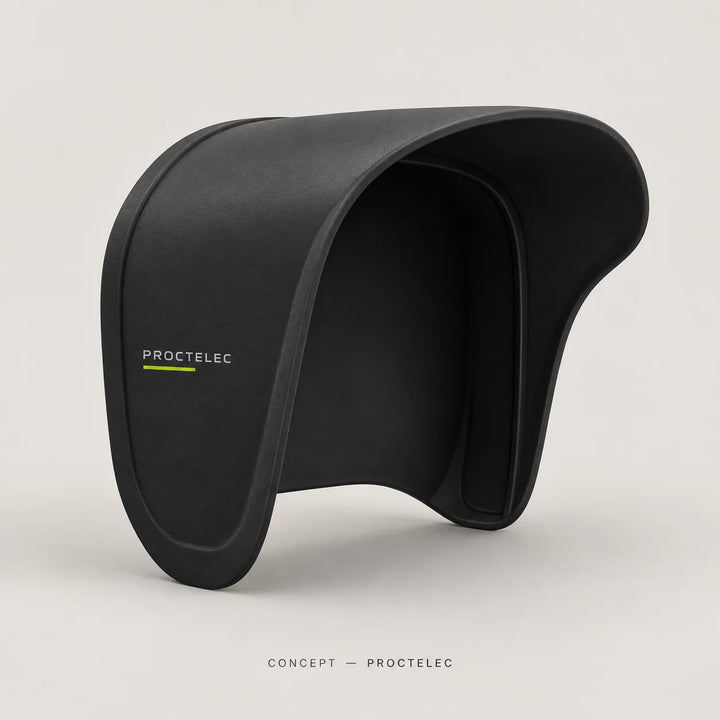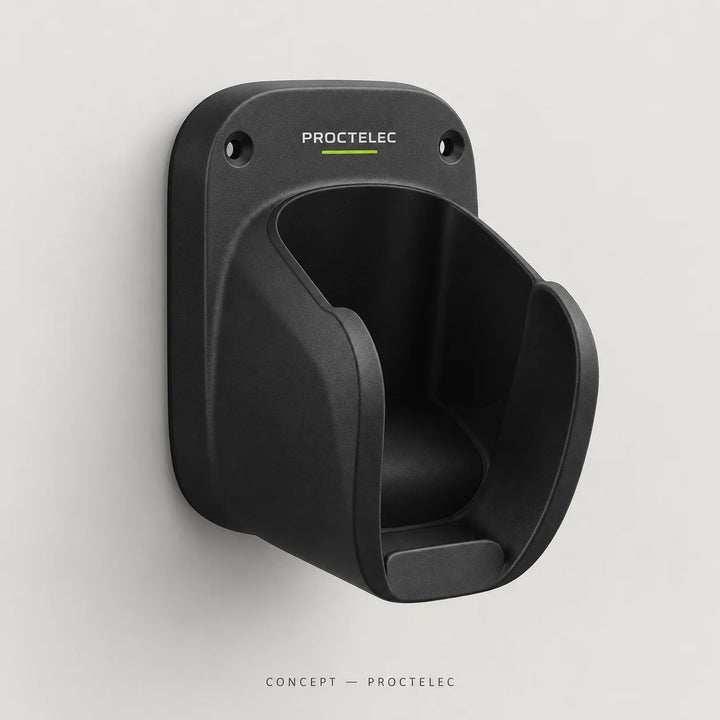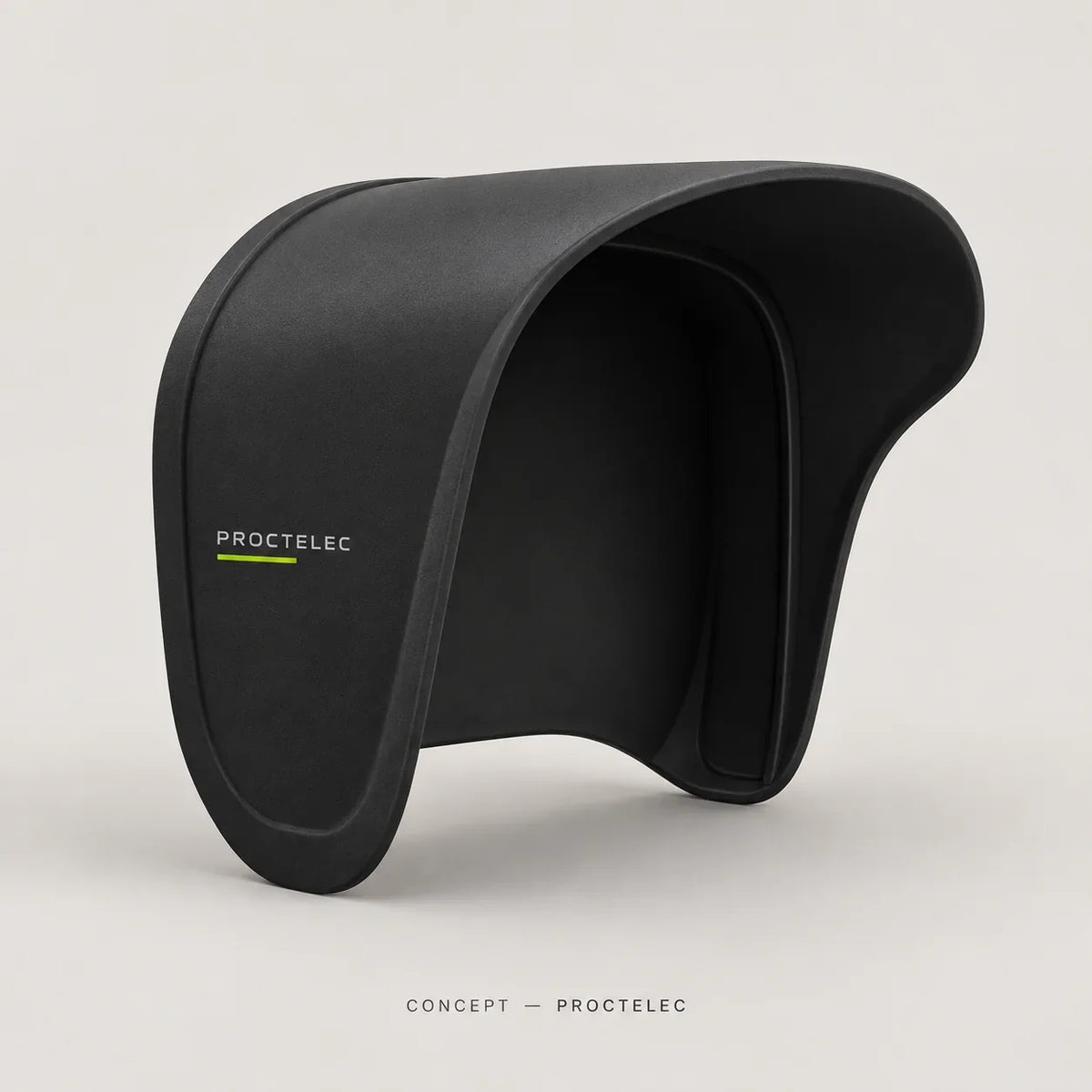
An EV charging port cover adds an external shield around the area where the vehicle is plugged in. Whether it is useful depends on exposure and on its compatibility with the bodywork, the charging flap and the connector. It does not make the socket waterproof, does not fix any fault and does not replace the manufacturer's instructions.
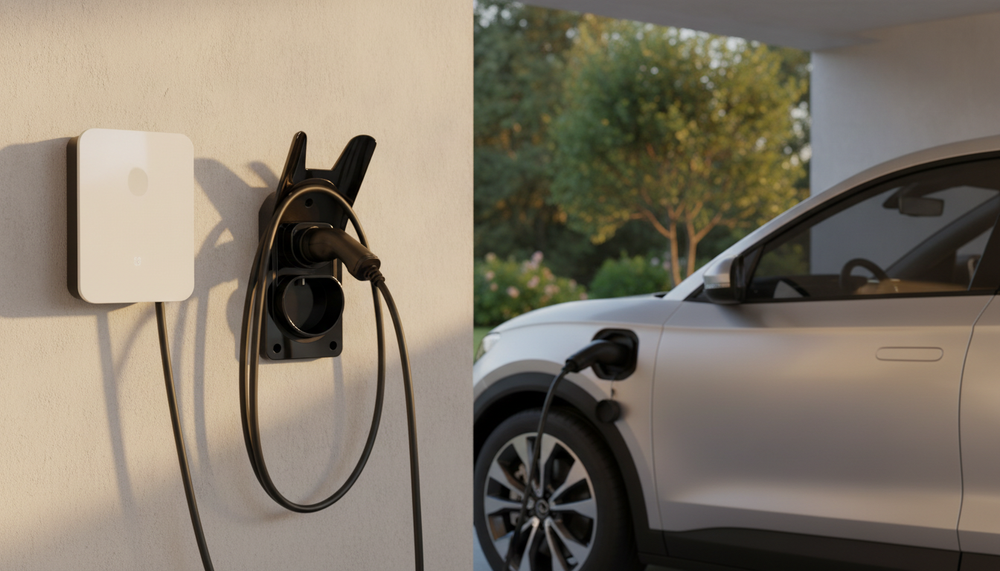
Check three things: the area that is actually exposed, how the cover attaches to your vehicle and whether the connector can still move freely. A cover fitted to the car does not protect the wall charger, and a wallbox canopy does not cover the vehicle's charging flap.
Can you charge an electric car in the rain?
Rain alone does not mean that all charging has to stop. The Renault manuals we consulted state that charging may be possible in rain or snow, under the conditions specified for the vehicle. This does not remove the need to check your own model, cable and installation. Read Renault's charging advice.
The weather around the vehicle is one thing; water, corrosion or foreign objects inside a connection are another. Renault says not to charge when any of these are present in the connector or the socket, and not to touch the contacts. An external cover does not fix this situation. See the precautions for the charging socket.
The right buying question is therefore: "does this accessory address a specific exposure without getting in the way of normal use?" A general promise of risk-free charging in all weather conditions will not help you choose correctly.
Identify the area to protect
| Area concerned | Accessory to consider | Main check |
|---|---|---|
| Charging flap and plug-in point on the car | Port charging port cover | Bodywork, opening and cable routing. |
| Top of a wall-mounted wallbox | Shelter canopy | Charger dimensions and required clearances. |
| Charger housing not in use | Cover storage cover | Remove before charging unless the manufacturer allows otherwise in writing. |
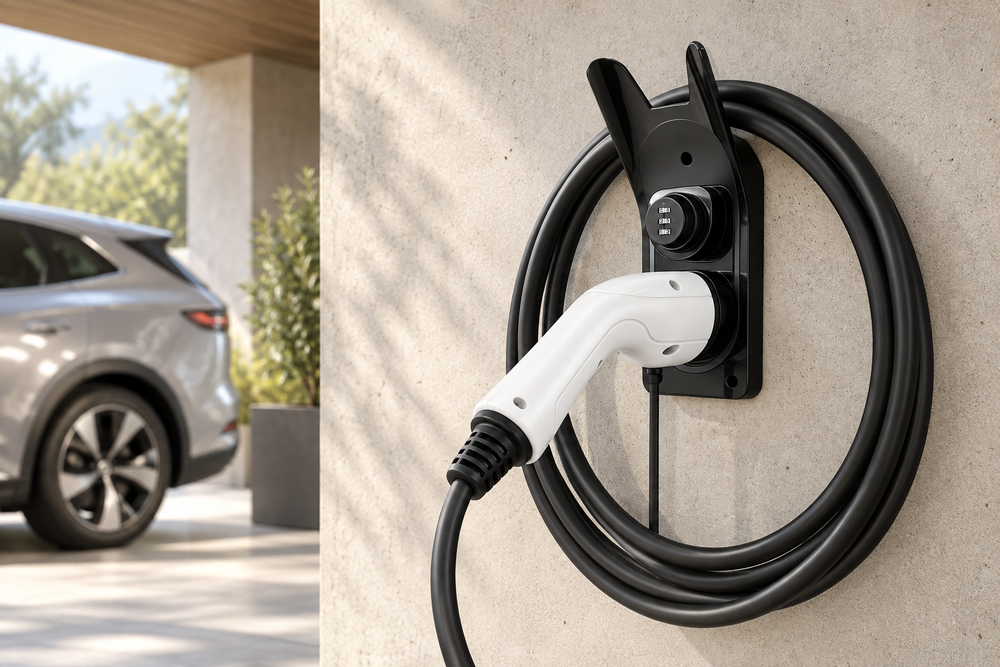
| Unplugged connector left on the ground | Dock T2 holder for Type 2 | Connector standard and handle shape. |
This distinction is particularly useful when a search uses the word "port". It can mean the vehicle's charging socket, but also other connectors that have nothing to do with EV charging. To find the right accessory, specify the vehicle model and the area concerned.
How do you check compatibility with your car?
The shape and opening of the charging flap
Locate the socket and note how the flap moves. A flap that opens upwards, sideways or into a deep recess does not leave the same space around the connector. The accessory must fit without straining the hinge or resting on a moving part that is not designed for it.
The available bodywork surface
Examine the surfaces around the recess. The retention system must be compatible with this area and its finish. If an accessory uses magnets, check that the intended surface actually allows this type of attachment; do not infer it from the vehicle's name alone. Attachment systems differ from one product to another.
The size of the plugged-in connector
The connector sticks out from the bodywork and the cable extends from the handle. Compare this assembly with the usable space inside the cover. The handle must not be squeezed, the cable must not be forced into a sharp angle and its exit must not be obstructed. Stated compatibility with a connector standard does not describe every handle shape.
Access for plugging in and unlocking
You must be able to carry out the normal actions specified by the manufacturer. Check insertion, access to the relevant button, the removal movement and the visibility you need to check the connection. An accessory that forces you to pull on the cable to remove the plug is not a suitable solution.
Exposure conditions
An accessory should not be chosen solely for vertical rain falling on a stationary vehicle. Also consider where the car is parked and how the cover is held in place. Ask for the conditions of use of the exact product reference. Do not assume every product has the features of a model shown in another shop.
The checklist to prepare to avoid buying an incompatible cover
Here is a simple list to send before ordering if compatibility is unclear. It lets you get an answer based on your actual setup, rather than relying on a "universal" label.
- The make, model and year of the vehicle.
- The type of connector used and the cable reference if you know it.
- A photo of the open charging flap showing the surfaces around the recess.
- A side view of how you usually plug in, taken under normal, safe conditions.
- The problem you are facing: direct exposure, deposits around the flap or difficulty storing the cable.
- Any constraints you already know about: lack of space, motorised flap or unusual attachment surface.
The Port product page is a starting point for comparing the accessory. It does not claim any additional IP rating for the vehicle. If the information available is not enough for your setup, ask for confirmation before ordering.
Good habits in use
Follow the fitting sequence given in the accessory and vehicle instructions. Before each use, visually check that the areas concerned are in good condition. Never insert any object into the socket and do not modify the connector to make a cover stay in place.
Once the accessory is in place, normal movements must remain possible. It must not put any strain on the cable, the flap or the handle. Keep access to everything you need to end the session normally. If the cover shifts or gets in the way, reconsider its compatibility rather than improvising an attachment.
After the session, remove and store the accessory according to its instructions. The flap must still close freely. For a detachable cable, then sort out its storage: our range of holders and bags helps you tell wall storage apart from transport in the boot.
What if the charging flap or socket is frozen?
An external cover is not a de-icing device. If the flap or connector no longer works normally, follow the manufacturer's procedure and avoid forcing it. Depending on the vehicle, preconditioning or charge port heating functions may be available.
For example, Tesla describes cold-weather preparation steps for the Model 3. Their availability and operation depend on the vehicle and its configuration; do not apply a procedure intended for another model. See Tesla's cold-weather recommendations for the Model 3.
If you notice damage after a freeze or after difficult handling, have the equipment inspected before using it again. A protective accessory must not be used to hide a damaged socket. Our guide to damaged cables and sockets explains the first steps to take.
Three misconceptions to avoid
Confusing an external cover with certified waterproofing. A cover can shield an area without changing the ratings declared for the vehicle. A water-resistance claim for a fabric does not automatically describe the complete connection.
Buying an EV charger cover to protect a car's charging socket. The location, attachment and constraints are different. The protection must match the item it covers and the way it is used.
Thinking a weather cover is an anti-theft device. Reducing exposure around a charging flap does not stop the cable from being removed or cut. If your concern is security, read our guide to charging cable theft instead.
Frequently asked questions about charging port covers
Is a charging port cover essential?
Not necessarily. Start with the conditions of use specified by the manufacturer. An accessory should address an identified exposure or inconvenience while remaining compatible with the vehicle.
Can you leave the cover on while driving?
Do not assume so. Follow the instructions for the chosen product and for the vehicle. A cover designed for use while the car is parked and plugged in is not thereby approved for driving.
Does a magnetic model fit every car?
No. You need to check the attachment surface, the geometry around the flap and the intended retention. A different material, contour or area of bodywork can change the fit.
What should you check if two vehicles share the same accessory?
Check each setup separately: flap position, retention surface, handle shape and cable routing. The fact that the cover fits the first vehicle does not prove it is compatible with the second. Keep the relevant references to avoid guesswork when you change car.
Does Port replace a wallbox canopy?
No. Port is for the vehicle side of the connection. A canopy is for the wall charger. Both can be used together, but buying one does not automatically meet the need for the other.
Check your setup before choosing Port
Read the product page and compare the charging flap, the bodywork and the cable routing. For a compatibility question, give us the vehicle model and your charging setup.