Found your charger without its cable, or your Type 2 cable has vanished from the car park? Charging cable theft is on the rise, mostly for the copper inside. Here is what to do, in order: make the area safe, gather evidence, report the theft to the police, tell your insurer in time, buy the right replacement cable, then stop it happening again.
- Do not touch a cut cable left on the charger.
- Take photos and keep the invoice and product references.
- Report the theft to the police and keep the crime reference number.
- Tell your insurer as soon as possible.
- Replace it with a compatible cable, then secure it.
Why are EV charging cables stolen?
Most reported cases involve cables cut from public rapid chargers for their copper. In the UK, police data obtained through freedom-of-information requests show more than 200 cases of theft and vandalism at chargers between 2022 and mid-2025, and around 40% of police forces held no data, so the real number is higher (electrive, October 2025). Private owners’ cables, left plugged in on the street or hanging on a charger in a shared car park, are also targeted: their resale value is low, but replacing them is expensive for the owner.
1. Make the area safe
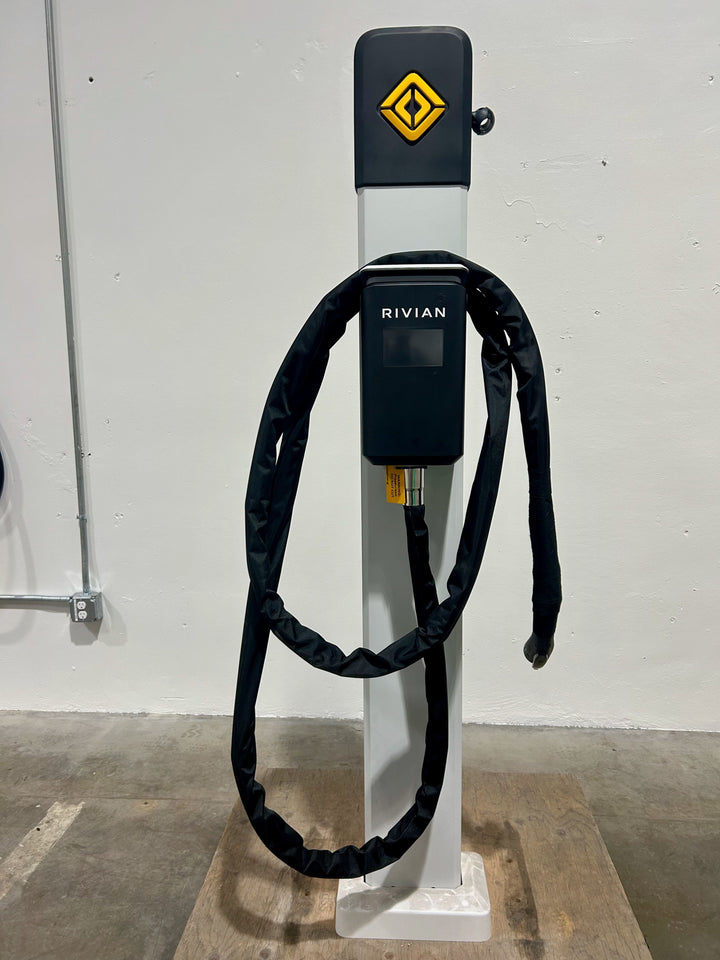
If the cable has been cut on a tethered charger, conductors may be left exposed. Do not touch the severed end, do not try to start a charging session to ‘test’ it, and keep people away. If you can do so safely, switch off the charger’s supply at the consumer unit, then call your installer. On a public charger, alert the operator using the contact details shown on the equipment.
Our article on damaged or cut EV charging cables explains what to do before the charger is used again.
2. Gather evidence
| Item | Why keep it |
|---|---|
| Photos of the charger, the holder and any signs of forced entry | To show the circumstances to the police and your insurer. |
| Invoice, make, model reference and length of the cable | To prove its value and order the right replacement. |
| Date and time you discovered the theft, last known charging session | To establish the timeline; your charger’s app history can help. |
| Witnesses, CCTV footage from your building or car park | Ask for it quickly: footage is often deleted after a few days. |
3. Report the theft to the police
Insurers almost always ask for the theft to have been reported to the police. In the UK, you can report it online or by calling 101; in Ireland, report it to An Garda Síochána. Keep the crime reference number you are given: insurers usually ask for it.
4. Tell your insurer
Notify your insurer as soon as possible: each policy sets its own deadline for reporting a claim. Two policies may be relevant:
- Car insurance, when the cable is treated as part of the car’s equipment. Some comprehensive policies cover the charging cable, often with conditions: stolen while charging or from the locked car, claim limits.
- Home insurance, for a wallbox fixed at your home or a cable stored in your garage, which may fall under buildings or contents cover depending on your policy.
Read the exclusions, the excess and how claims are settled (new for old, or with a deduction for wear and tear). If the cable is worth less than your excess, reporting the theft is still useful to keep a record in case it happens again. This information is general and does not replace reading your policy.
5. Choose the right replacement cable
For a removable cable, check the following before buying:
- Connectors: Type 2 at both the charger end and the car end in most cases in Europe.
- Current and phases: 16 A or 32 A, single-phase or three-phase, depending on the power of your charger and your car’s on-board charger.
- Length: 5 to 7.5 m covers most uses; a longer cable is heavier and harder to store.
- Compliance: a CE/UKCA marked mode 3 charging cable, with connectors that comply with IEC 62196.
On a tethered charger, the cable must be replaced by a professional, using the part specified by the manufacturer. In the meantime, use public chargers or the cable supplied with your car, within the conditions set out in its manual.
6. Stop it happening again
The right protection depends on when the cable is exposed: plugged in, stored at the charger or carried in the car. Our full guide to preventing EV charging cable theft compares the options. In short:
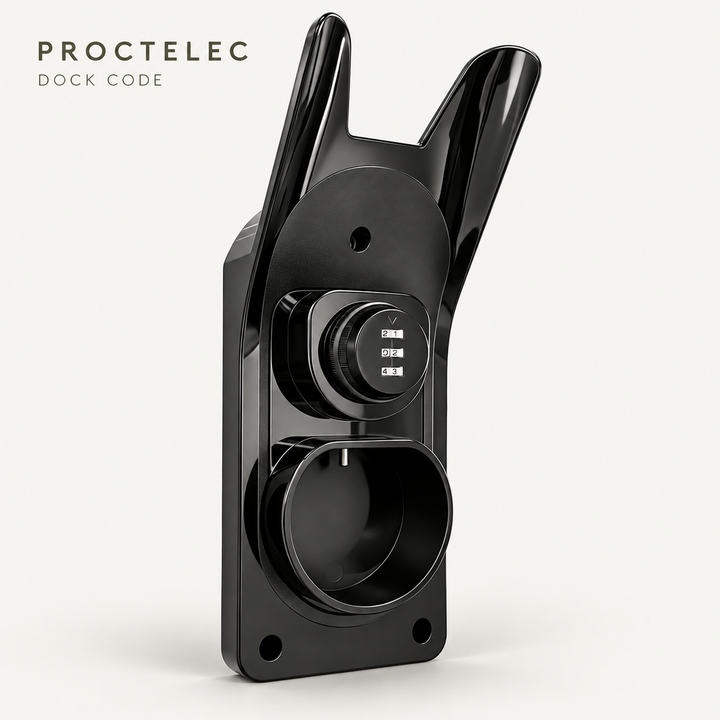
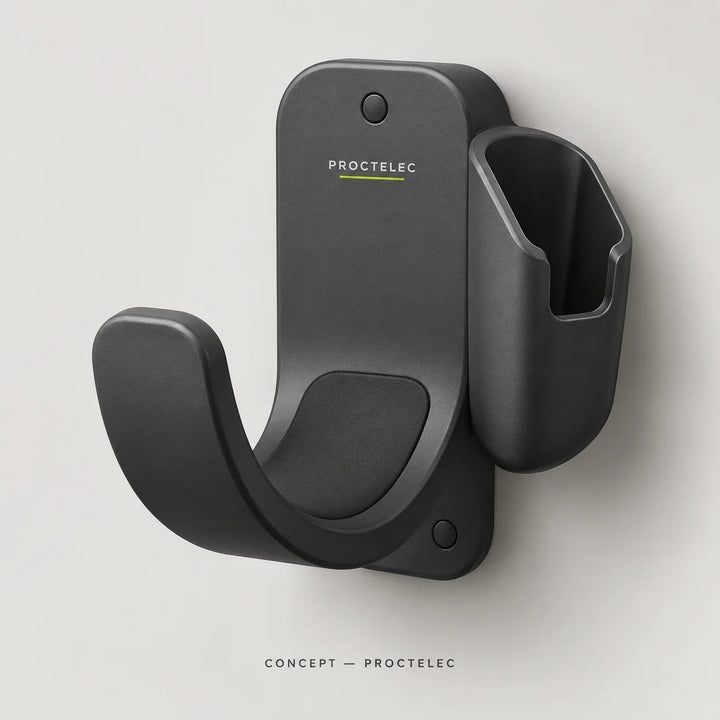
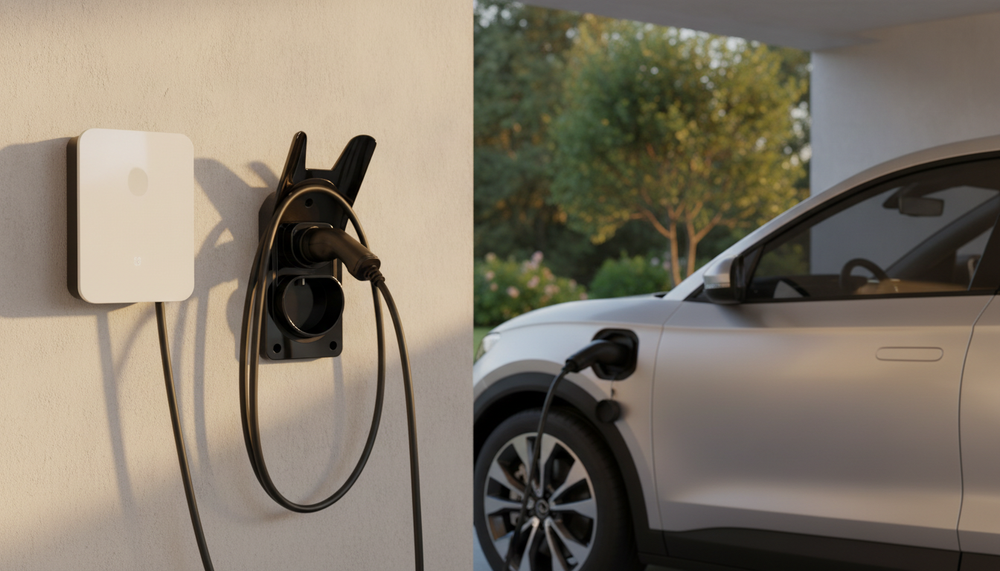
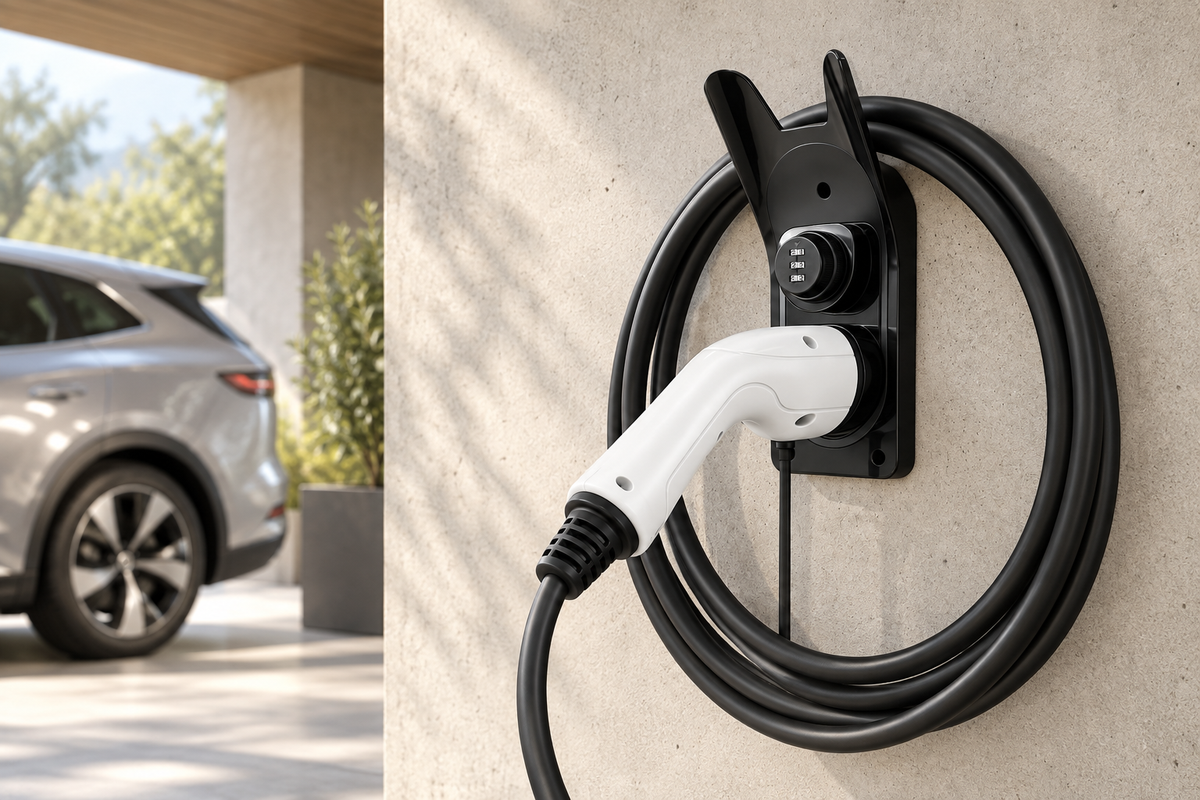
- Store the connector in a Dock Code lockable holder rather than on the ground.
- Keep the removable cable in the boot, in its Carry bag.
- In a car park where cables are being cut, consider the CatStrap EV Cable Shield cut protection.
- In a shared car park, enable your charger’s charging authorisation: see how to stop people using your EV charger.
No accessory makes theft impossible. The aim is to make it slower, more visible and less tempting.
Frequently asked questions
Does car insurance pay out for a stolen charging cable?
Sometimes. Some policies cover the cable as part of the car’s equipment, often with conditions (stolen while charging or from the locked car). Check your policy’s cover, excess and limits.
Do I need to report it to the police to make a claim?
In the vast majority of cases, yes: your insurer will ask for the crime reference number. In the UK, you can report it online or by calling 101.
How soon should I tell my insurer?
As soon as possible after you discover the theft, within the deadline in your policy.
Can I charge with a partly cut cable?
No. A damaged cable must no longer be used, even if it seems to work. Have it checked or replaced.
Protect your charging cable
Code-locked holder, storage bag, anti-cut protection: choose according to your connector and where the cable is left exposed.