IP54, IP55, IP65, IK08, IK10: these codes appear on every EV charger datasheet, but are not always explained. They describe two different things: how well the housing keeps out dust and water (IP) and how well it withstands impacts (IK). Here is how to read them, what minimums apply to a charger installed outdoors, and what a canopy or enclosure really changes.
The IP rating covers only water and dust; the IK rating covers only impacts. The vast majority of recent wallboxes are IP54 or IP55 and IK08 or IK10. Adding a shelter reduces exposure but does not change the charger’s certified rating.
How to read an EV charger IP rating in 10 seconds
The IP code is defined by the international standard IEC 60529 (EN 60529 in Europe). The first digit indicates protection against solid objects and dust, the second against water. The higher the digit, the more demanding the test.
| Digit | 1st digit: solids | 2nd digit: water |
|---|---|---|
| 4 | Objects larger than 1 mm | Water splashing from any direction |
| 5 | Dust-protected (no harmful ingress) | Water jets |
| 6 | Dust-tight | Powerful water jets |
| 7 | — | Temporary immersion up to 1 m |
An ‘X’ in place of a digit means that characteristic has not been tested. Above 6, the water ratings are not cumulative: an IPX7 device is not automatically IPX5 or IPX6.
IP44, IP54, IP55, IP65: the common codes
| Code | What it guarantees | Where you will find it |
|---|---|---|
| IP44 | Objects larger than 1 mm, splashing water | A few chargers with a plastic housing, such as the plastic version of the Legrand Green’Up Premium |
| IP54 | Dust-protected, splashing water | The most common level: Zaptec, Easee, Pulsar Plus, KEBA P30, Webasto… |
| IP55 | Dust-protected, water jets | Tesla Wall Connector, Hager Witty Start, Alfen Eve, EVlink Pro AC… |
| IP65 | Dust-tight, water jets | A few models such as the go-e Gemini or myenergi zappi |
These examples come from manufacturers’ datasheets. The same range may carry different ratings depending on the version, or on whether the socket is closed or in use: check the datasheet for your exact model.
IK rating: impact resistance from IK08 to IK10
The IK code is defined by IEC 62262 (EN 62262). It indicates the impact energy the enclosure can withstand in a standardised test of five blows spread across its surface.
| Rating | Energy | Test equivalent |
|---|---|---|
| IK07 | 2 J | 0.5 kg mass dropped from 40 cm |
| IK08 | 5 J | 1.7 kg mass dropped from 30 cm |
| IK09 | 10 J | 5 kg mass dropped from 20 cm |
| IK10 | 20 J | 5 kg mass dropped from 40 cm |
So IK10 corresponds to a sharp blow, not a car impact. An IK10 charger stands up better to a kick or a heavy object; it is not designed to stop a reversing vehicle. That risk calls for mechanical protection sized for the site.
What is the minimum for a charger installed outdoors?
The international installation rules for charging points (IEC 60364-7-722, applied in the UK through section 722 of BS 7671) require, outdoors, at least protection against splashing water (IPX4) and against solid objects larger than 1 mm (IP4X). In locations accessible to the public, they also require protection against impacts: IK08-rated equipment, a position out of reach of foreseeable impacts, or mechanical protection.
In practice, manufacturers aim higher: Schneider Electric’s installation guide states that chargers intended for outdoor use are generally at least IP54 and IK10. Your charger’s manual remains the reference: it specifies whether the model can be installed outdoors, under what conditions and with what clearances.
For season-by-season tips, see our guide to protecting an outdoor EV charger all year round.
IP54 vs IP65: should you aim higher?
- Under a carport or roof overhang: IP54 covers splashing water and suits most uses, provided the manual allows it.
- Wall exposed to driving rain or jet washing: IP55 or IP65 give you a margin against water jets.
- Dusty area (building site, workshop, gravel yard): a first digit of 6 guarantees the unit is dust-tight.
- Car park open to the public: go for IK10 and a position away from manoeuvring vehicles.
A high rating is no substitute for a good location: an IP65 charger fitted in full sun, right under a gutter or in line with the wheels is still exposed.
What a canopy, cover or enclosure changes
An IP rating applies to the housing as tested by the manufacturer. Adding an accessory does not turn an IP54 charger into an IP65 charger, and a charger designed for indoor use remains an indoor charger, even under a roof. What these accessories offer is something else:
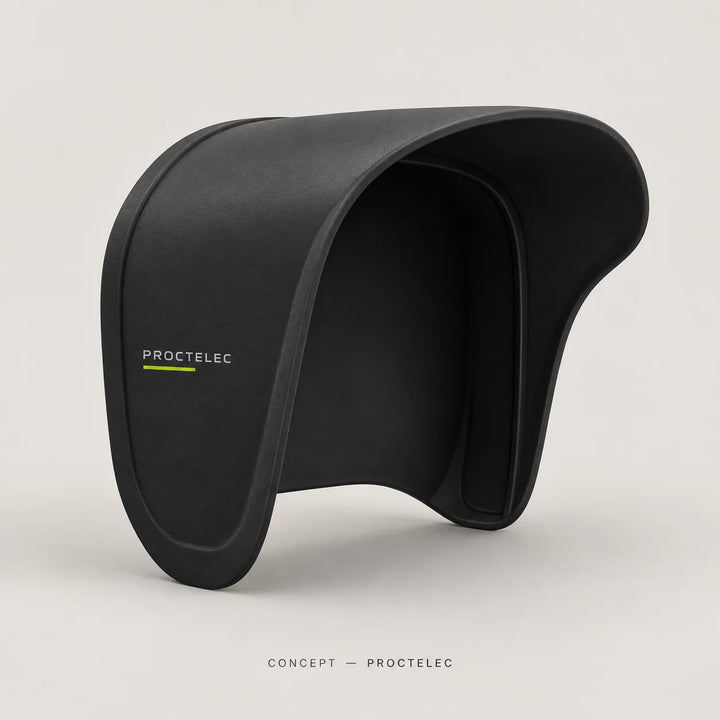
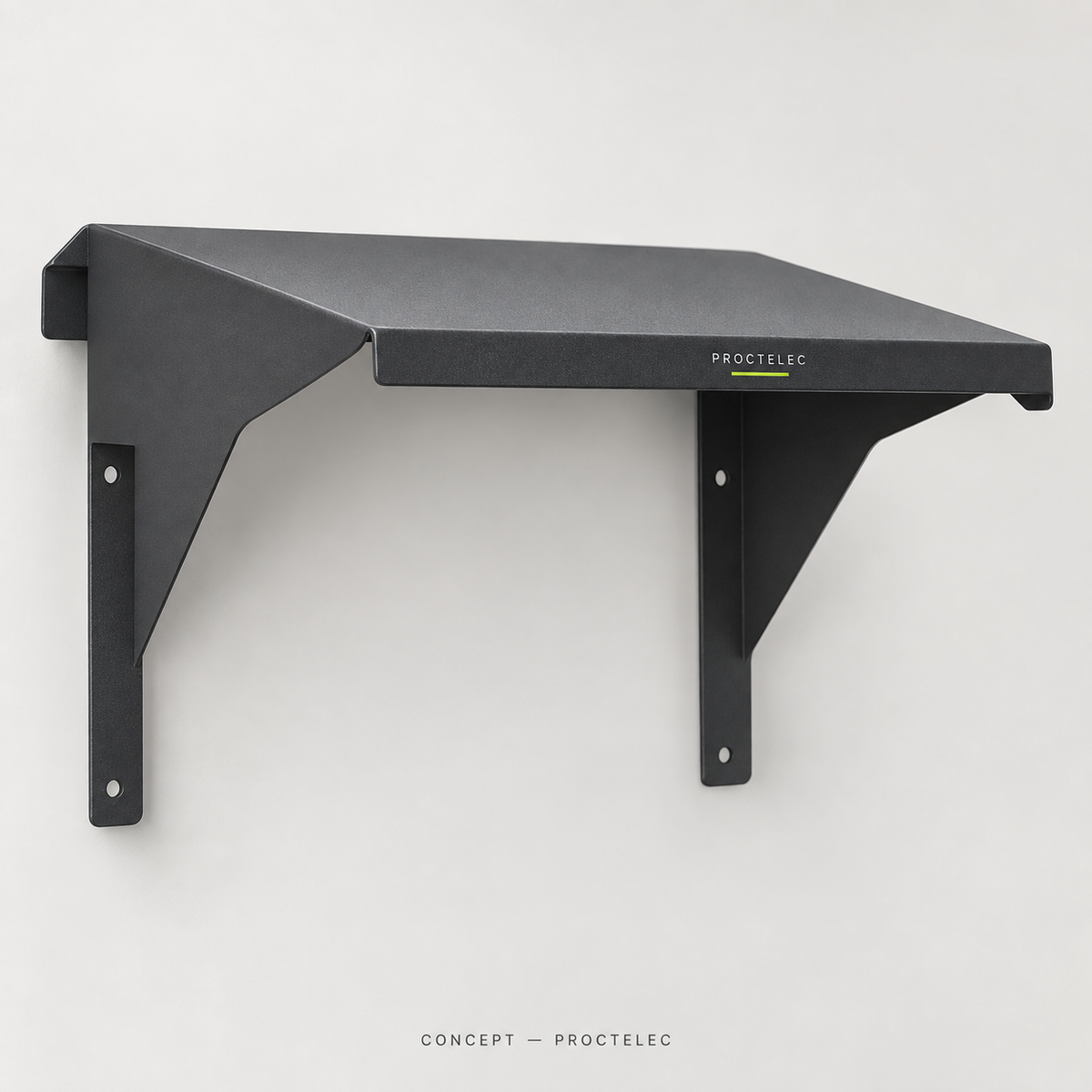
- The Shelter canopy reduces direct rain, snow and build-up of dirt on top of the unit, including while charging.
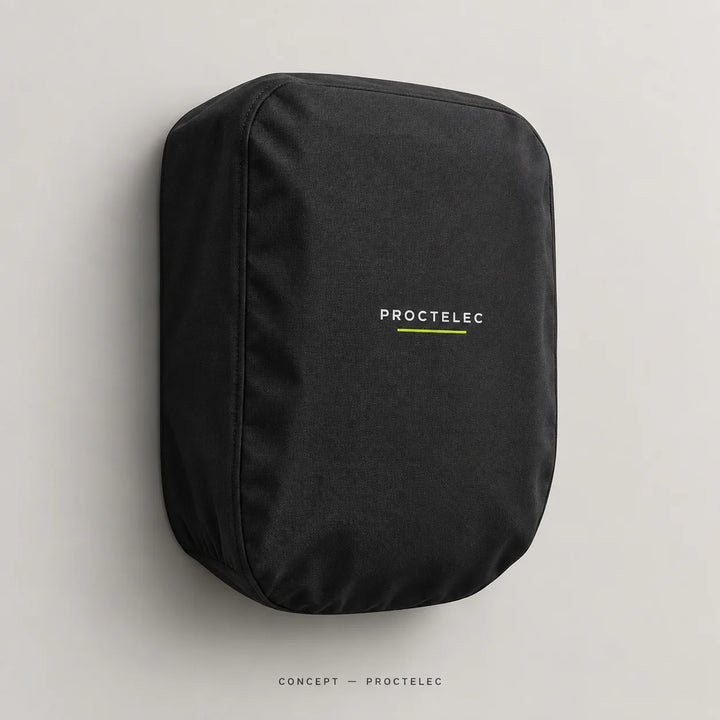
- The Cover storage cover protects a charger from dust and dirt when it is not in use; it is removed before charging.
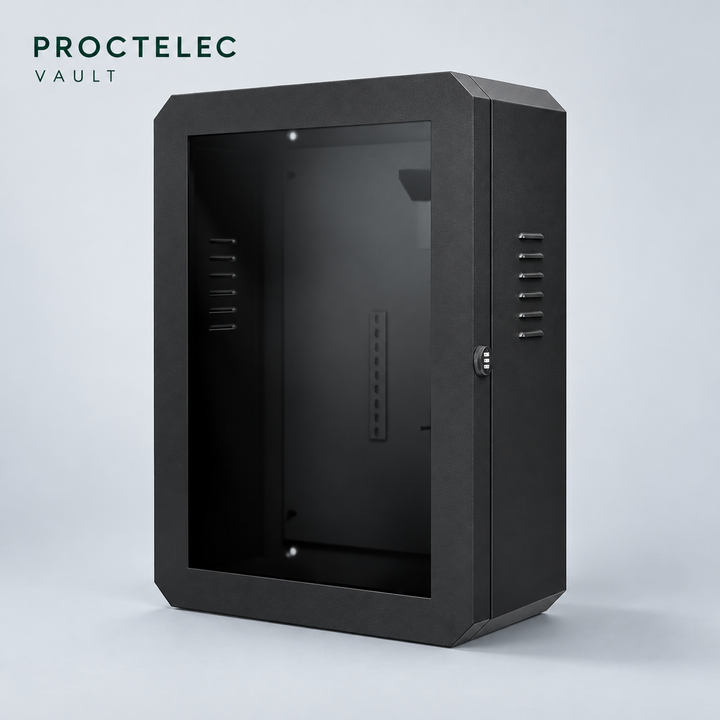
- The Vault enclosure restricts direct access to the unit. It does not claim any certified IP or IK rating, and its ventilation must be approved by your installer.
The rest of the installation matters too
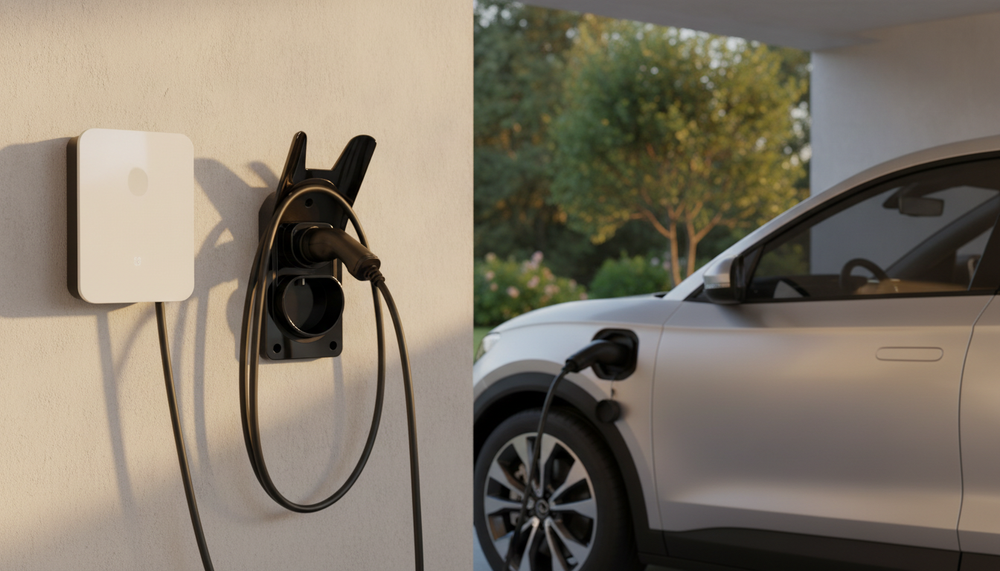
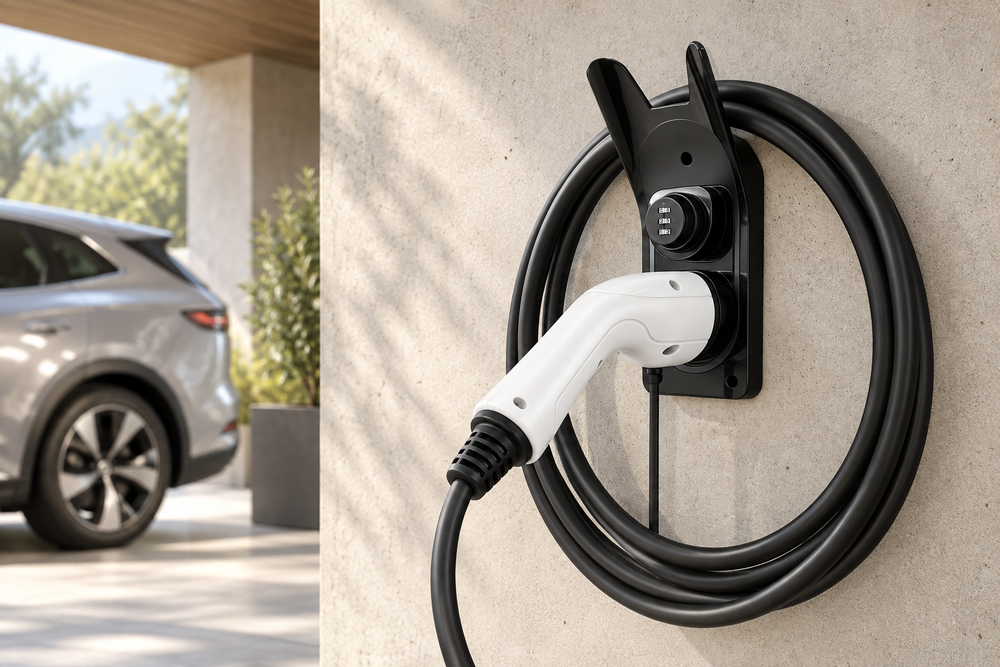
The housing is only one link in the chain. A connector left on the ground, a cable run over by a wheel or the car’s charging flap left open in a downpour are often more exposed than the charger itself. A Loop wall holder keeps the cable out of standing water, and the Port charging port cover shelters the car’s charging port. On the consumer unit side, the required protective devices are covered in our article on EV charger electrical protection.
Frequently asked questions
What IP rating does an outdoor EV charger need?
Installation rules set a minimum of protection against splashing water (IPX4). Most chargers designed for outdoor use are IP54 or IP55. Above all, check that the manual allows outdoor installation.
IP54 or IP65: which should I choose?
IP54 is enough for most sheltered installations. IP65 adds dust-tightness and resistance to water jets, which is useful on a very exposed wall or in a dusty area.
What does IK10 mean on an EV charger?
The housing withstands an impact of 20 joules, equivalent to a 5 kg mass falling from 40 cm. It is the highest level on the IK scale, but it is not protection against a vehicle impact.
Does a canopy make my charger more waterproof?
It reduces exposure to direct rain but does not change the charger’s certified IP rating. It must not be used as a way to install an indoor charger outdoors.
Shelter your charger
Canopy, cover or enclosure: compare the protection options for your installation and how you use your charger.