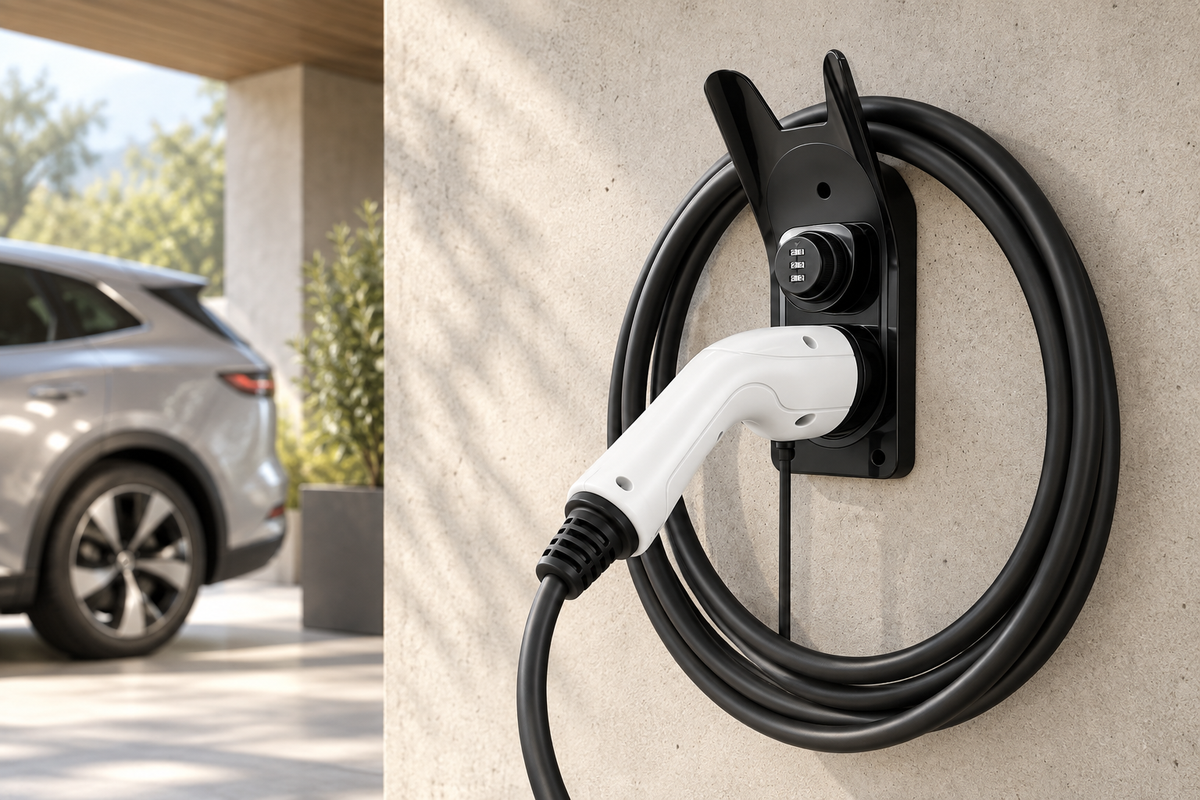
A visibly damaged, crushed or cut charging cable must be taken out of use. An outer sleeve, holder or tape repair is not a way to make it safe again. The first priority is to prevent further use and have the equipment assessed.
Do not reconnect the cable to see whether it still works. Do not touch exposed conductors or damaged parts. Keep others away and contact the charger operator or a qualified professional.
Recognise damage that needs attention
Look for split insulation, cuts, crushed sections, a broken connector housing or abnormal heating reported during use. A cable can also be strained at its exit from the charger or handle. Visible checks do not establish electrical safety; if there is doubt about its condition, stop using it pending assessment.
Do not move a damaged cable just to photograph the fault. Photographs and information about the charger location are useful only when they can be collected from a safe position. If there is an immediate danger such as fire, leave the area and call the appropriate emergency service.
On a public or shared charger
Use the operator contact details displayed on the charger or its service app. Give the site address and equipment identifier, then describe what you observed. Follow the operator's instructions. Do not open the charger, attempt a repair or assume that a stopped session means every exposed part is safe to touch.
At a private installation
Prevent use of the equipment and arrange assessment by a qualified professional or the manufacturer's service team. Provide the charger model, cable type and any incident history you know. Repair, replacement and return to service must follow the equipment manufacturer's instructions. Do not bypass a protective device or conceal damage under an added sleeve.
Identify the cause after the site is safe
Repeated vehicle traffic, tight door gaps, sharp bends and dragging a connector can cause damage independently of theft. Cutting attempts require a different protection approach. Record the likely exposure without assuming that every defect is vandalism. Our shared car park protection guide helps organise inspections and incident reporting.
Improve storage and protection
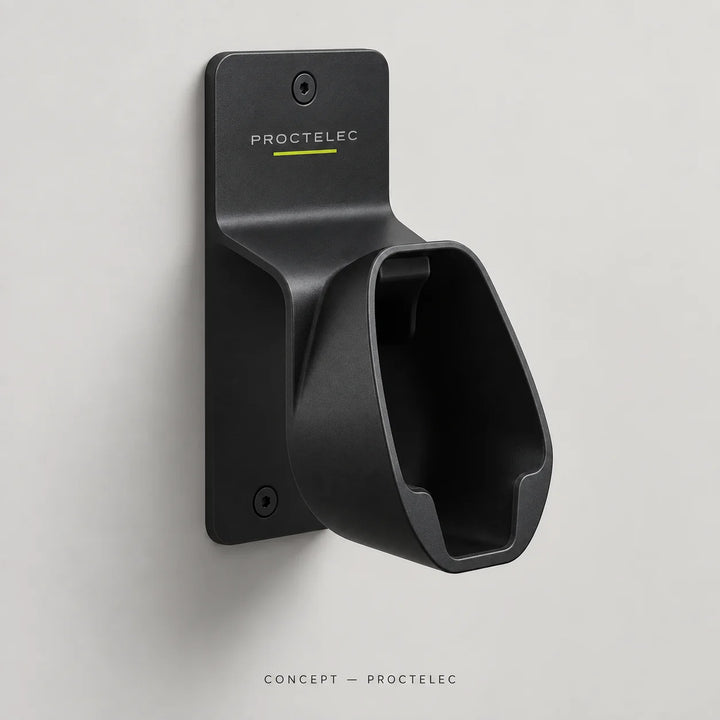
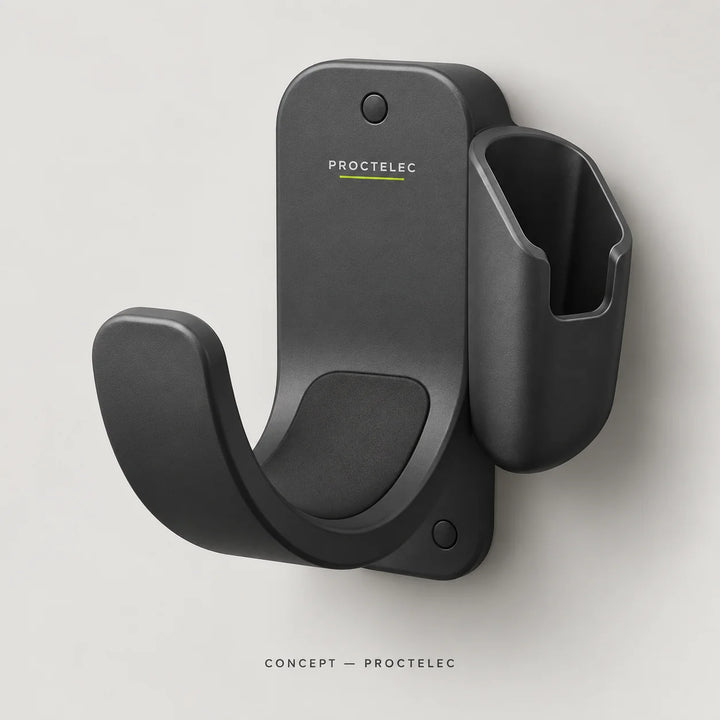
Keep generous loops and follow the specified bending radius. Use a suitable cable holder or storage bag to reduce contact with the ground and obstructions. For a compatible stored Type 2 connector, Dock Code adds mechanical retention between sessions.
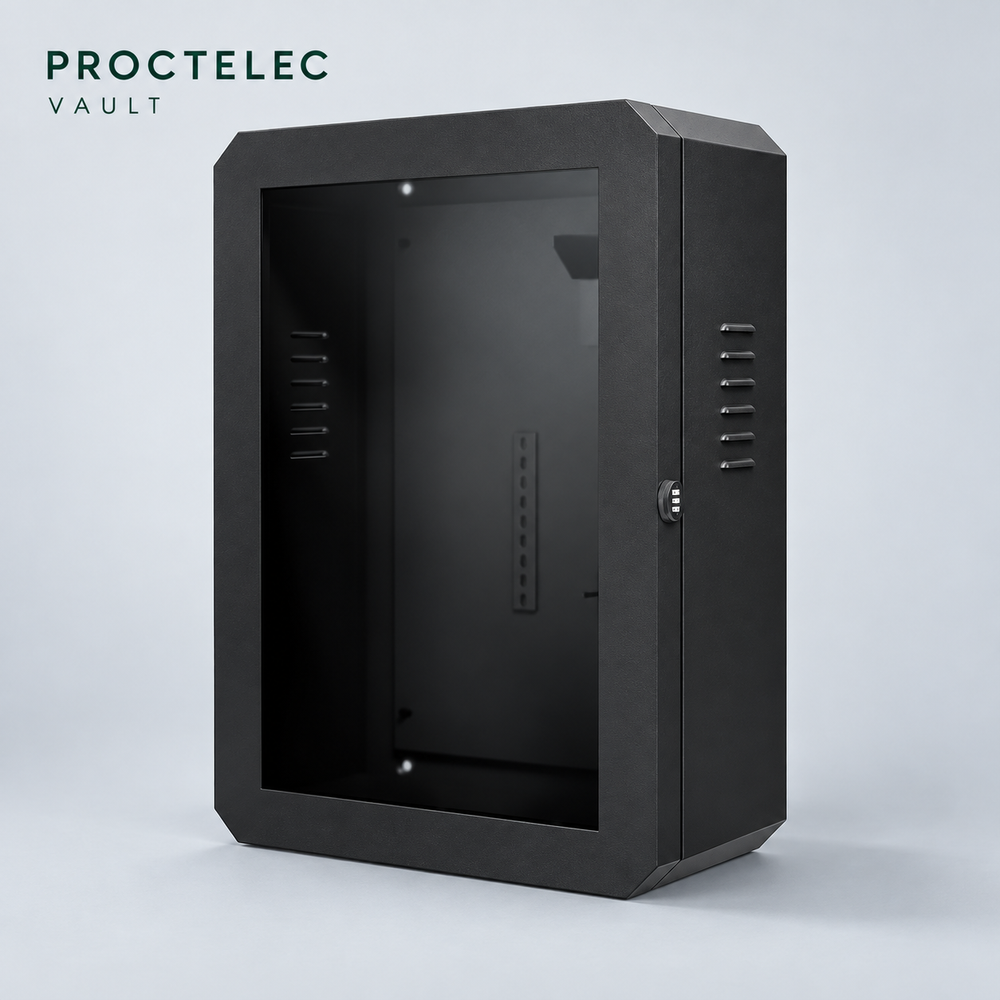
If the site faces cable cutting, assess EV Cable Shield on an undamaged, compatible installation. Read the cut-resistant cable protection guide before choosing the length and configuration. A protective accessory helps manage a risk; it does not repair an electrical defect.
Protect the replacement installation
Explore charging cable protection → · Check accessory compatibility