Vandalism prevention at a charging site involves more than adding a lock. The operator needs to understand how people reach the equipment, how cables are handled and how a damaged charger is taken out of service. Practical protection supports that routine.
- Access to the site and charger.
- Protection of the charger body and mounting.
- Storage and exposure of the cable.
- Inspection and response after an incident.
Map the exposed equipment
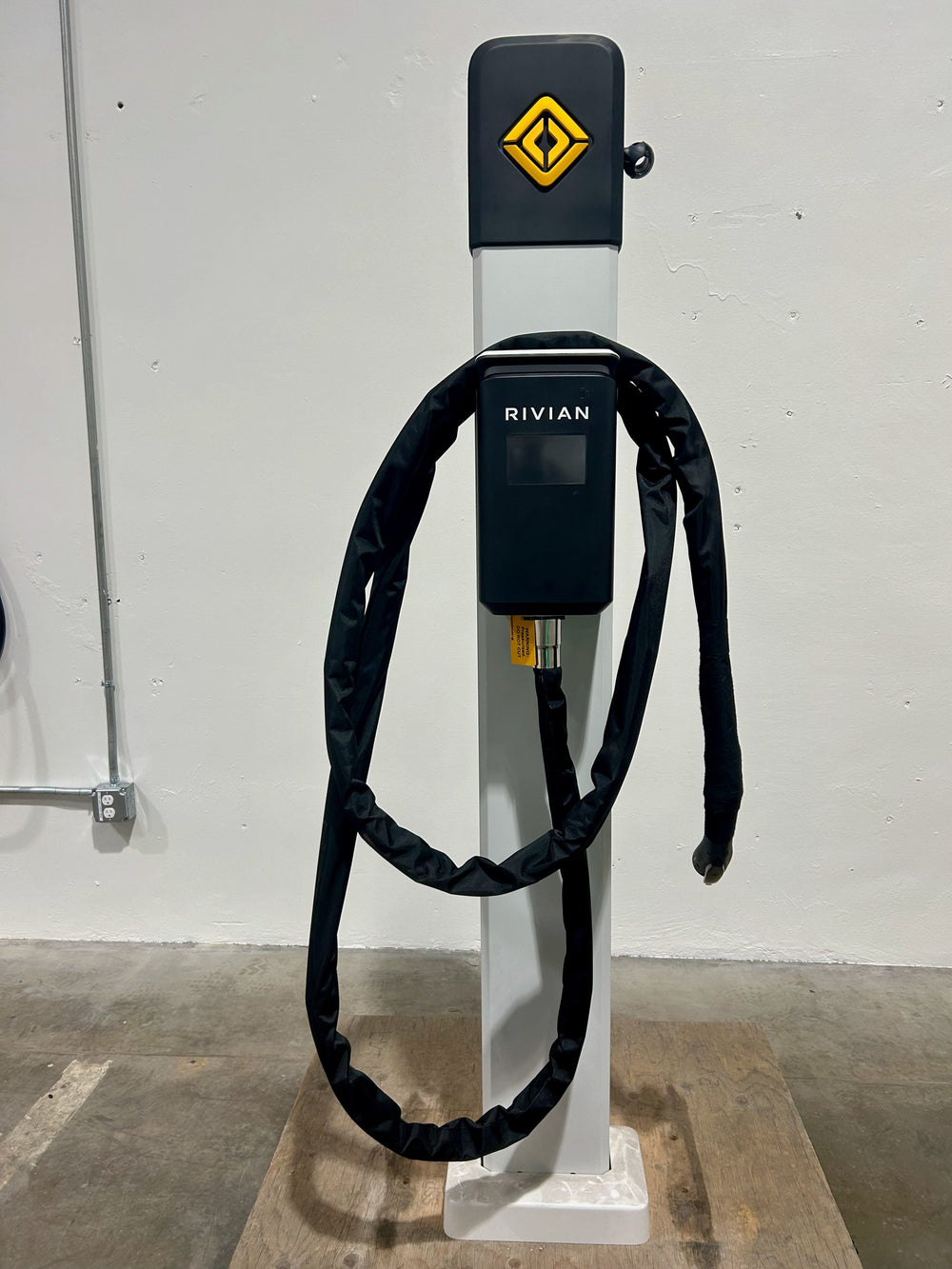
List charger locations, models and connector types. Record whether cables remain outside, cross walking routes or can be approached without passing a controlled entrance. Separate deliberate damage from accidental impact and normal wear: a parking access barrier, lockable enclosure and cable sleeve address different problems.
Photographs and a simple record of incidents help identify repeated patterns. Note the damaged component and when it was discovered, without assuming a cause that has not been established. Prioritise the equipment that is repeatedly exposed and essential to the site's operation.
Make access and reporting clear
Keep charging areas visible and reasonably lit, with access arrangements appropriate to the property. Display the operator's contact details so users can report damage without handling the equipment. If cameras are considered, check the applicable privacy and site requirements before installation; surveillance is not a substitute for maintaining the charger.
Protect the charger itself
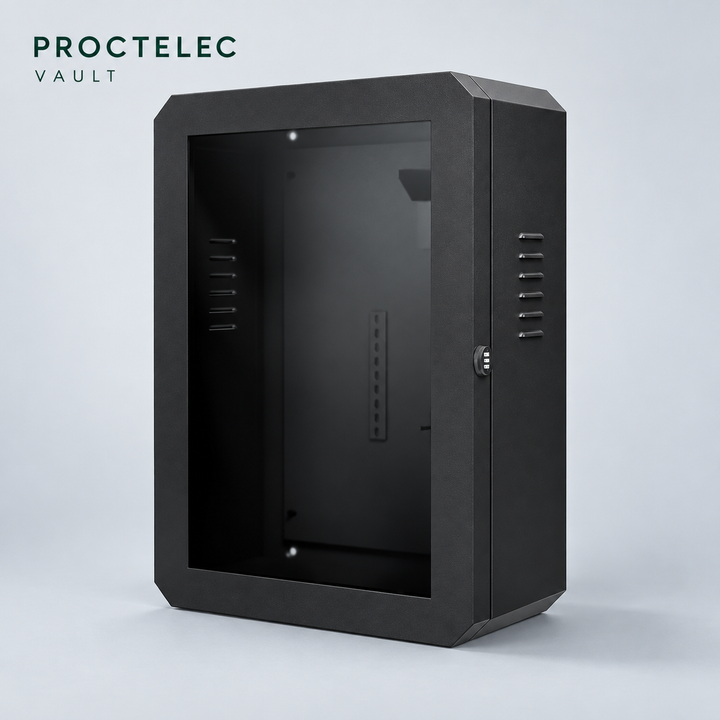
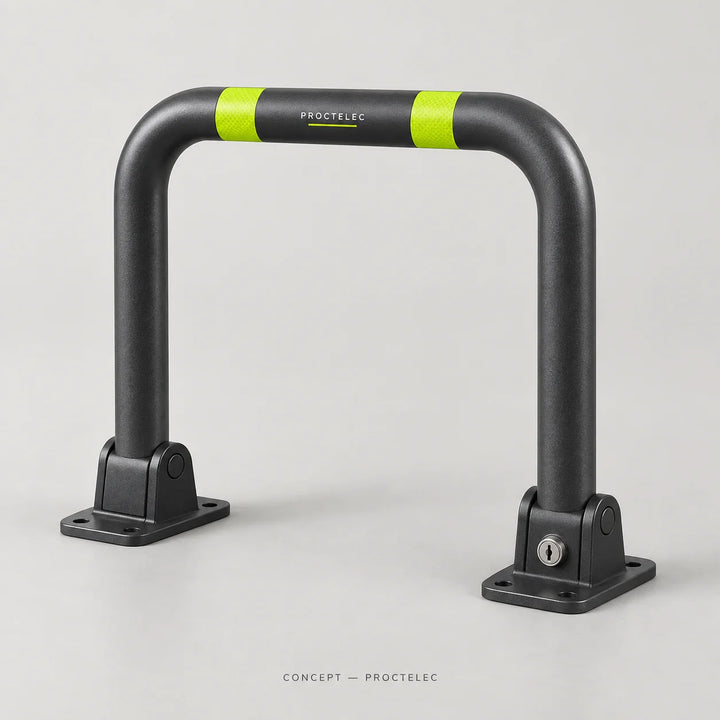
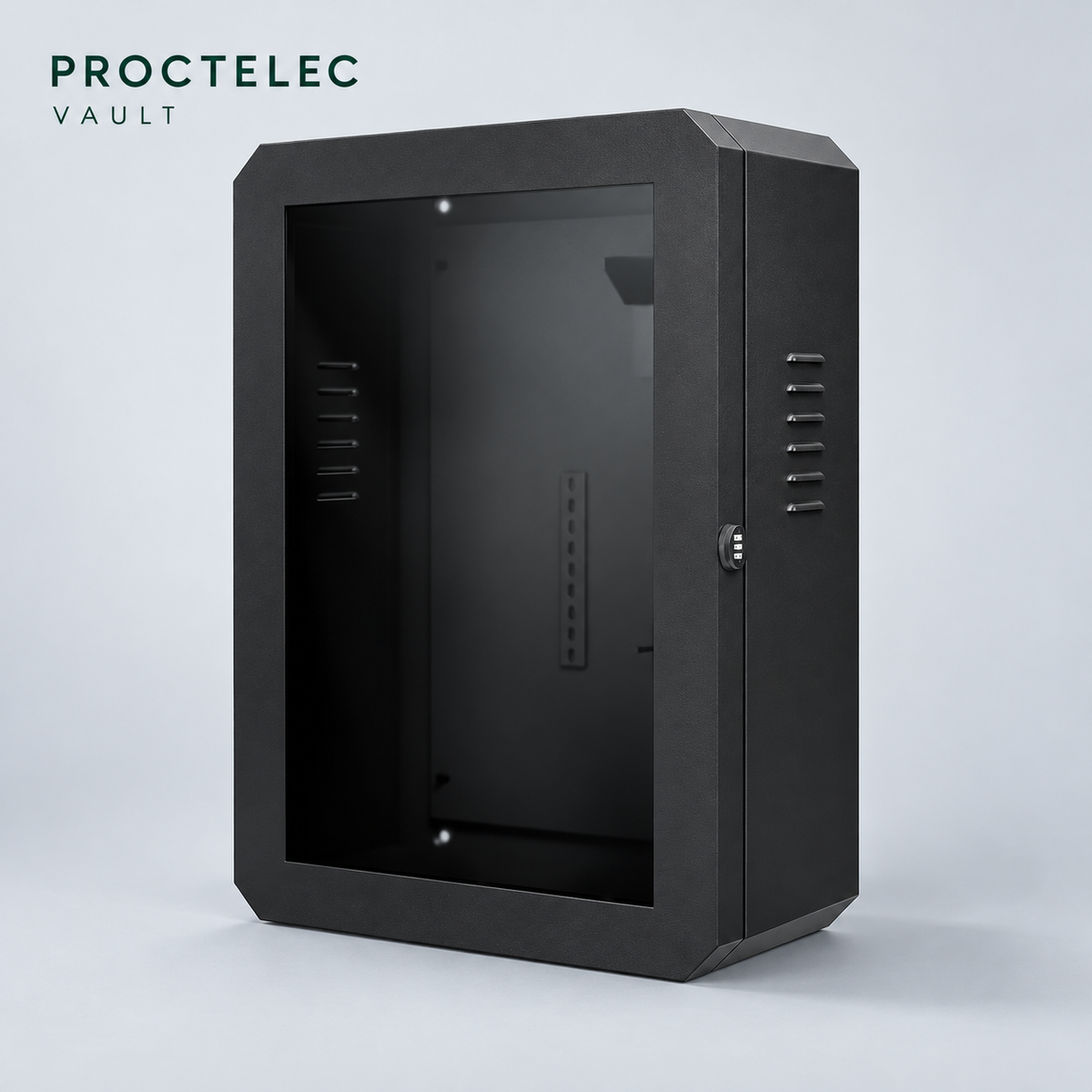
A Vault lockable enclosure can limit casual access around a compatible wallbox. Check internal clearance, ventilation, cable exits and maintenance access with the installer. Its external dimensions do not establish that a given charger will fit. For a private charging space, Park helps control parking occupation; it is not a crash-rated bollard.
Reduce unnecessary cable exposure
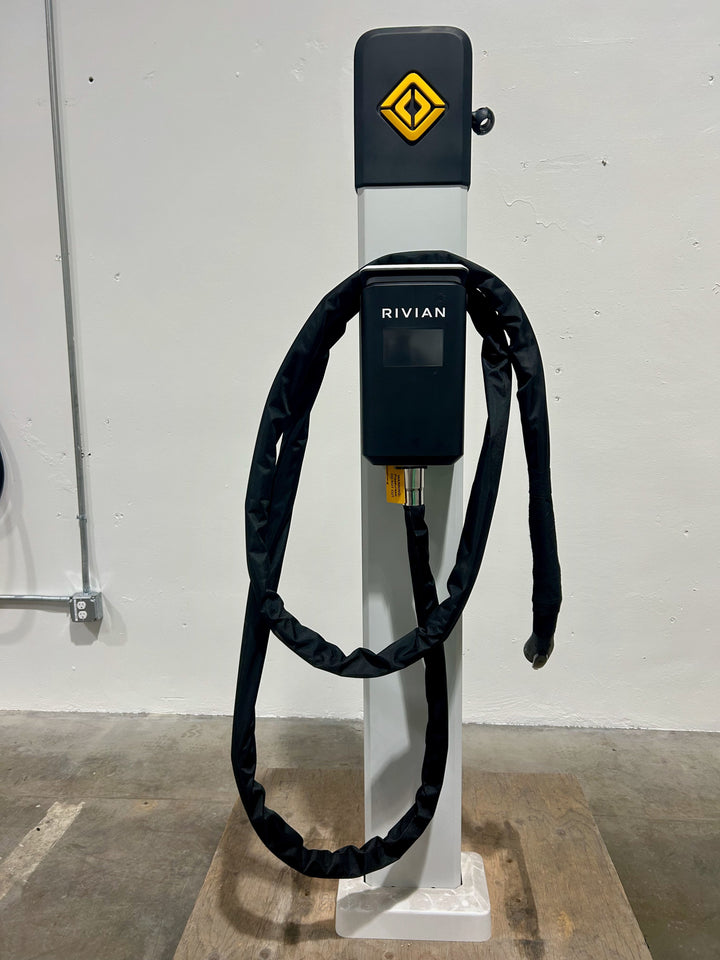
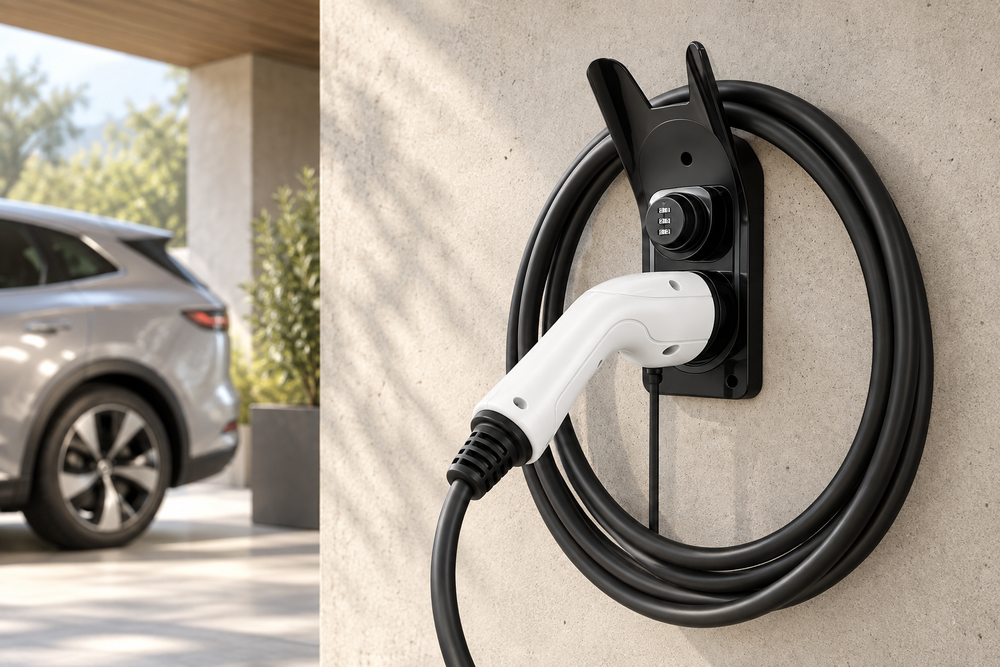
Provide a natural storage point at the end of every charging session. A compatible Dock Code Type 2 holder retains the unplugged connector between sessions. Where cable cutting is an identified risk, assess CatStrap EV Cable Shield for the actual cable configuration. Neither accessory replaces the vehicle's charging lock or makes a site immune to theft.
Keep walkways clear and respect cable bend limits. Protection that makes the cable difficult to move or inspect is likely to be bypassed by users. Test the proposed routine with the people who will use and maintain the site.
Define the response before an incident
Stop using damaged equipment, keep users away from exposed electrical parts and notify the operator or a qualified professional. Do not test a cut cable by reconnecting it. Preserve incident details only when safe, then arrange inspection before return to service. Use our damaged charging cable guide for the first steps.