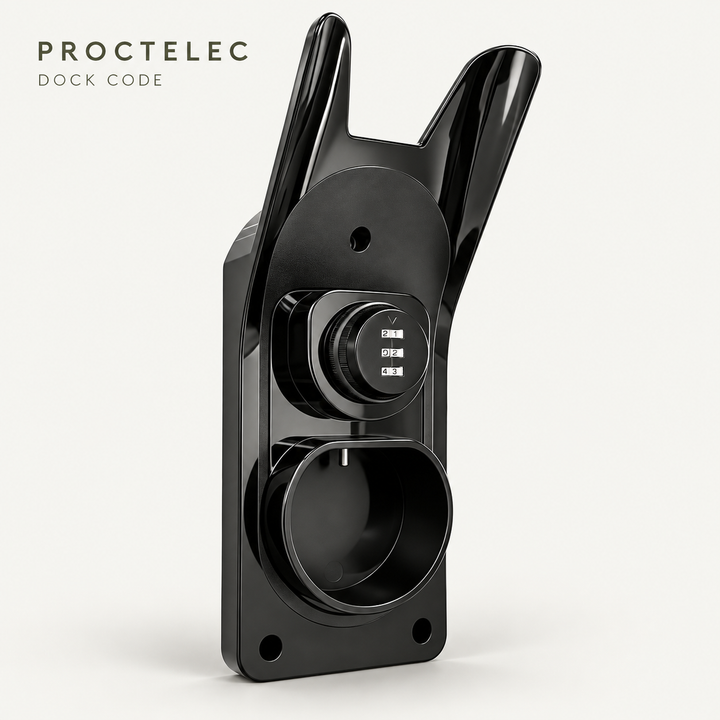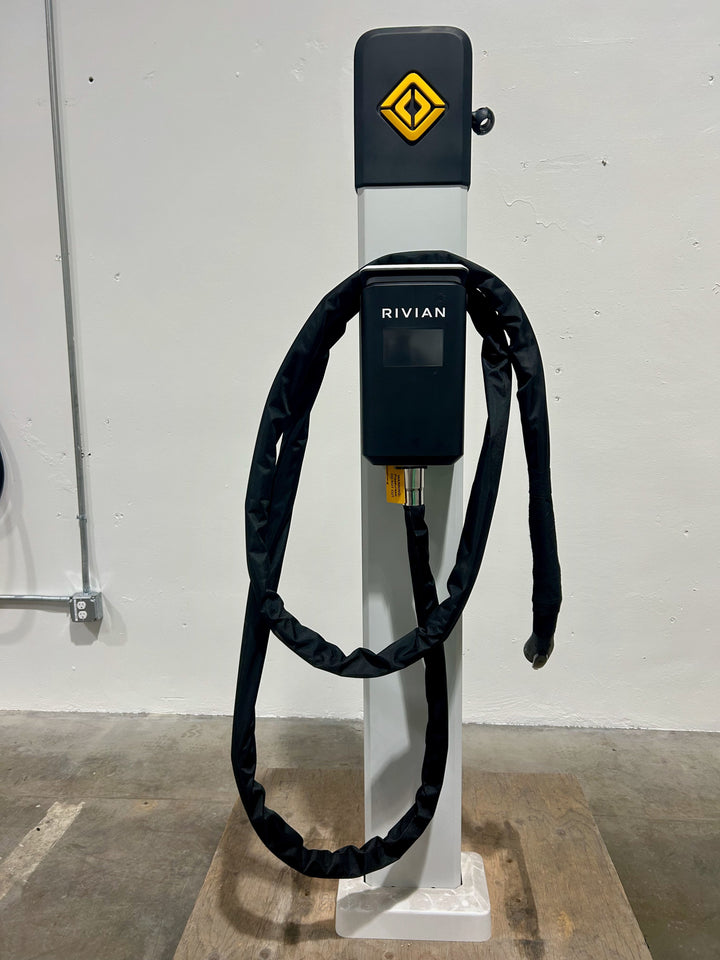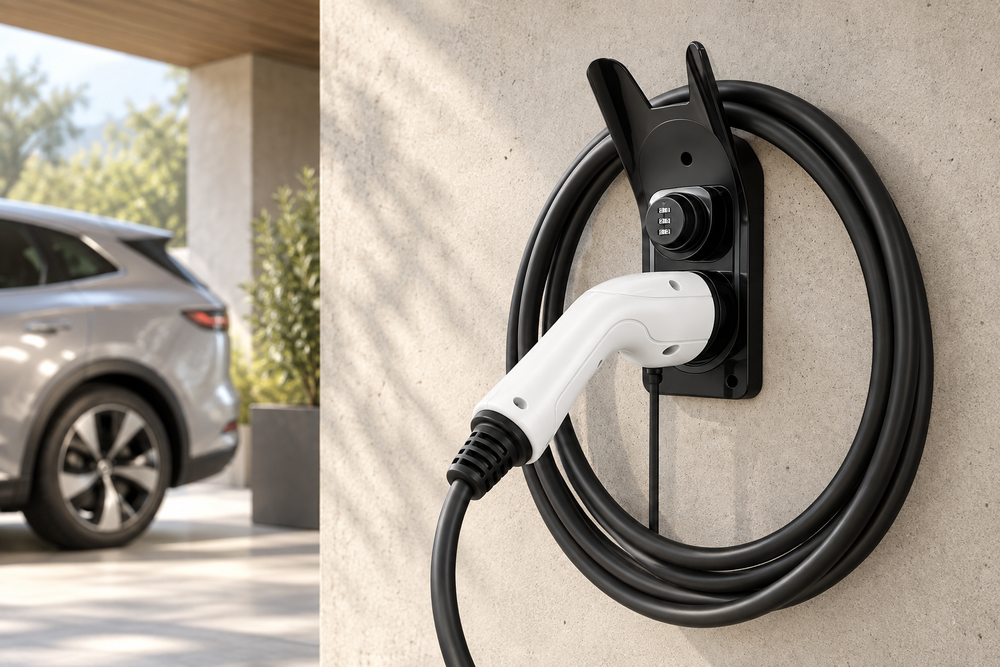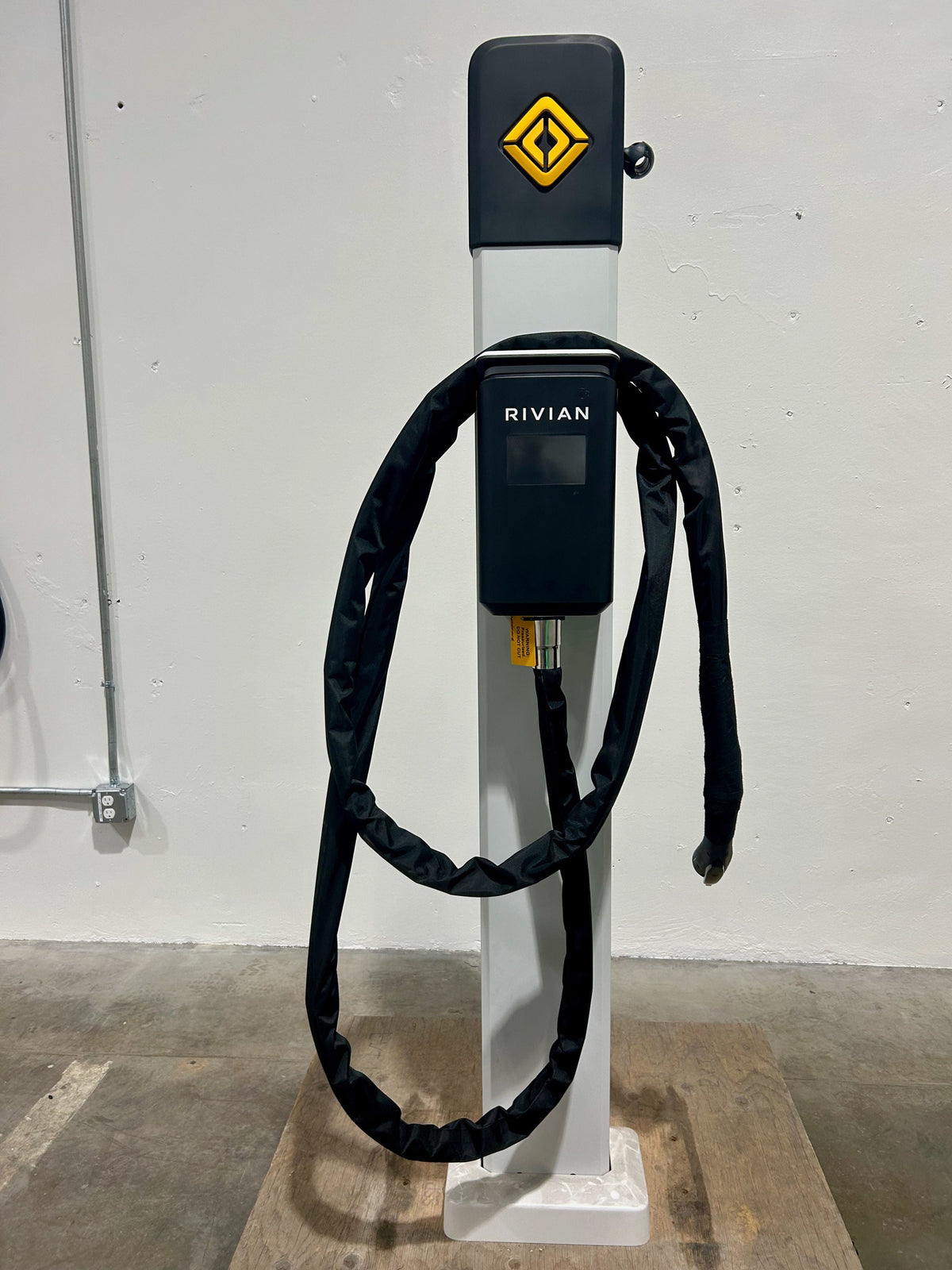
A connector lock retains a plug; cut-resistant cable protection addresses access to the cable itself. These are different jobs. When searching for an “EV cable guard”, first establish whether you need tidy routing, protection against everyday rubbing or a system intended to deter cutting.
Identify AC or DC charging, cable diameter, required protected length and the charger model. A product name or photograph cannot establish compatibility by itself.
Understand what the name covers
A simple storage sleeve, cable ramp or wall hook is not necessarily an anti-cut device. Equally, an armoured cable solution does not replace connector locking or sound charger mounting. Ask what part of the cable is covered, how the ends are secured and what evidence supports any resistance claim.
The EV Cable Shield configuration offered here
CatStrap EV Cable Shield is mechanical, multilayer cable protection. Our entry configuration is for Level 2 AC charging, 10 ft—approximately 3 m—at €499, without DyeDefender. It does not include a charger, charging cable, alarm, tracking device or dye system.
Before ordering, supply the charger model and cable diameter and confirm the proposed AC configuration. Other lengths and DC applications require a separate compatibility review and quotation. This listing does not establish a certified cutting resistance time or guarantee that theft cannot occur. Consult the manufacturer's product information alongside the configuration offered by Proctelec.
CableGuard® is a specific brand
CableGuard® by Formula Space is a separate professional cable protection solution. It is not another name for CatStrap EV Cable Shield and should not be treated as an interchangeable product. Compare the actual installation, specifications and service arrangements for each system.
Prepare the installation details
- Record charger make, model and AC/DC use.
- Measure cable diameter without compressing its insulation.
- Identify the length requiring protection and photograph both exits.
- Check bending radius, connector handling and storage space.
- Confirm mounting, inspection access and the installation procedure.
The added protection must not strain a cable exit, create tight bends or obstruct cooling and normal handling. A charging equipment specialist should assess uncertain configurations. Do not cover damaged insulation to keep a defective cable in service.
Choose according to the actual risk
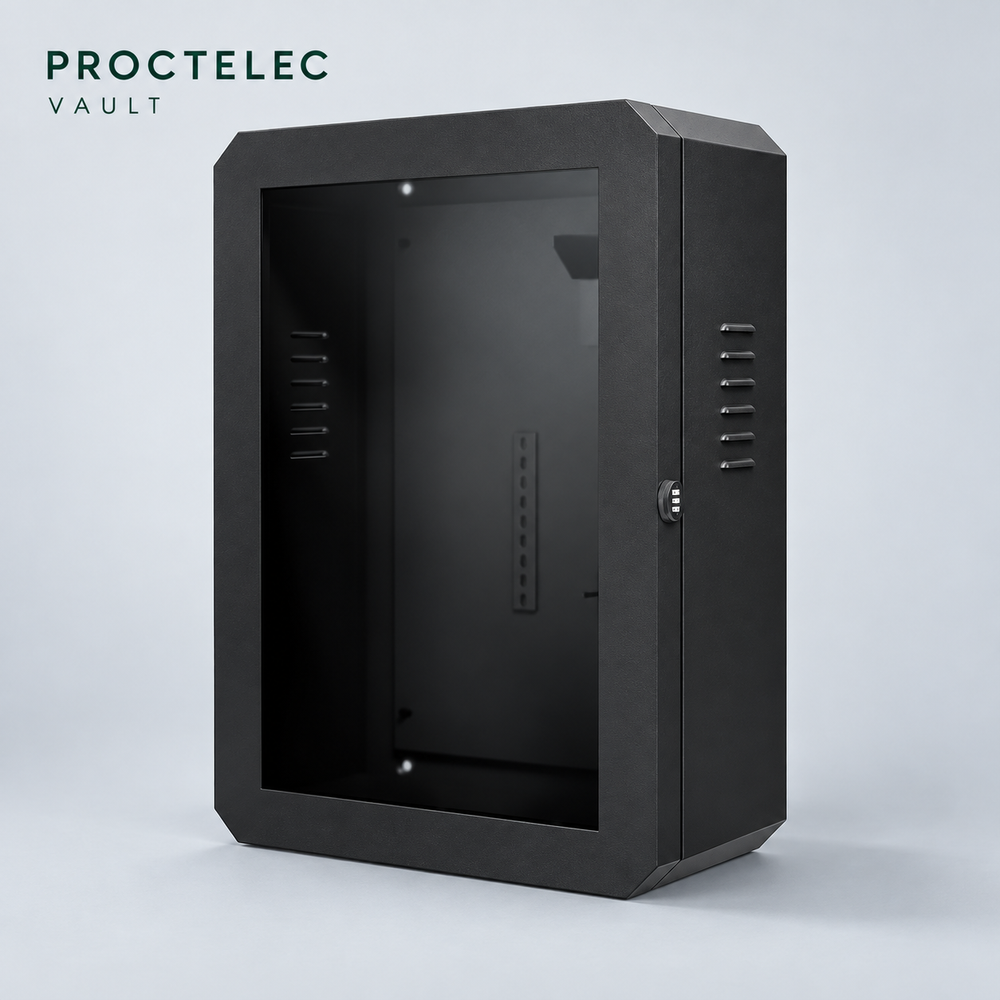
For a connector stored between sessions, a compatible lockable Type 2 holder may address the immediate need. To limit access around a wallbox, consider a lockable enclosure. For recurring incidents at a car park, combine equipment protection with the measures in our vandalism prevention guide.